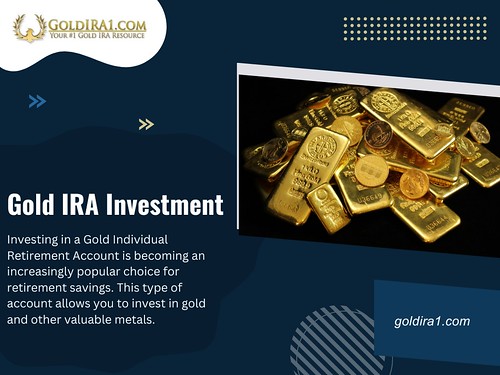
Gold, a lustrous yellow metal, has captivated humanity for millennia, becoming a symbol of wealth, power, and beauty. Its unique properties make it one of the most versatile and sought-after materials in the world. This article delves into the rich history, cultural significance, economic impact, and evolving uses of gold, illustrating its importance across various dimensions of human life.
Gold's journey through human history began as early as 4000 BCE when ancient civilizations first started to extract and refine the metal. The Egyptians revered gold, using it not only for jewelry but also for crafting the intricate burial masks of their pharaohs. Its scarcity and luster evoked a sense of divinity among the people, contributing to its status as a symbol of eternal life. Similarly, in Mesopotamia, gold served as a means of trade and was intricately woven into the fabric of their economy, underpinning the wealth of civilizations that thrived on agriculture and conquest.
Across cultures, gold has been associated with divinity and royalty. Ancient Greeks believed that gold was a gift from the gods, while in Hindu mythology, it is often mentioned as a desired material in gods’ possessions. In the Americas, the Aztecs and Incas famously utilized gold to create elaborate ceremonial artifacts and extravagant jewelry, further solidifying its association with wealth and power. The Spanish conquest of these empires in the 16th century underscores gold’s significance: it fueled European exploration and colonization, led to immense wealth for Spain, and transformed global trade patterns.
In economic terms, gold has always served as a stable form of currency and an asset for investment. Its value is largely driven by its scarcity; gold reserves are finite, making it a hedge against inflation and economic instability. Throughout history, countries have adopted the gold standard, backing their currencies with tangible gold reserves to instill confidence among investors. Though the gold standard was largely abandoned in the 20th century, gold remains a barometer of economic health, often witnessing price surges during times of crises, as investors flock to it in search of safety.
(Image: https://live.staticflickr.com/65535/52893669779_3e140068df.jpg)
Furthermore, gold plays a crucial role in contemporary finance, functioning as an important asset in investment portfolios. Institutional investors, hedge funds, and central banks hold substantial gold reserves to mitigate risks associated with other investments. Its performance often inversely correlates with the strength of the US dollar, indicating that investors tend to flock to gold when the dollar weakens. This dynamic is a testament to gold’s perennial status as a reliable safe haven in times of economic uncertainty.
Despite its traditional role in finance and trade, gold's applications continue to surge in varied fields. In modern technology, gold is utilized in electronics, particularly in computer chips and connectors due to its excellent conductivity and resistance to corrosion. The aerospace industry also deploys gold in satellite components and spacecraft, highlighting its effectiveness in harsh environments. Beyond technology, gold has found prominence in the medical field; it is used in dental work and certain diagnostic tools related to diseases such as rheumatoid arthritis and cancer.
In addition to its practical applications, gold also remains a sought-after material for jewelry, underscoring its enduring appeal in the realm of personal adornment. The global jewelry market, particularly in regions like India and China, positions gold as not only a fashion statement but a cultural artifact ingrained in traditions and rituals. For instance, in India, gold jewelry is a customary gift during weddings and festivals, symbolizing prosperity and status. The emotional connection individuals and cultures maintain with gold is a significant driver of its demand, highlighting the intersection between economics, identity, and tradition.
As the world progresses towards sustainability, gold is increasingly scrutinized for its environmental impact. If you have any inquiries relating to where and how to use https://topgoldirareviews.us.com/, you can speak to us at our own internet site. The process of mining gold can be environmentally destructive, leading to habitat destruction, pollution, and harmful consequences for local communities. In response to these concerns, the industry is grappling with issues related to ethical sourcing and environmental responsibility. Initiatives promoting responsible mining practices and the use of recycled gold are emerging, reflecting a paradigm shift towards sustainable practices. The rise of 'green gold' is garnering attention, with consumers showing a preference for responsibly sourced materials, further amplifying the importance of ethical considerations in modern gold production.
(Image: https://live.staticflickr.com/65535/52893948265_d6e775a6e4.jpg)
In exploring the geopolitical landscape, gold continues to play a critical role in international relations. Nations with significant gold reserves wield considerable influence on the global stage. The competition for mining rights and access to gold reserves contributes to tensions and power dynamics in various regions, particularly in Africa, where rich deposits exist. Additionally, central banks often increase their gold holdings during geopolitical tensions, serving as both a buffer and a tool of economic warfare, underscoring gold’s dual role in financial markets and global politics.
Looking forward, the future of gold remains intertwined with the advancements of technology and shifts in consumer behavior. The jewelry market is evolving with innovations such as lab-grown diamonds and synthetic alternatives, which could impact gold demand. Additionally, cryptocurrencies have begun to rival gold as a digital form of value, leading to debates about their respective roles as investment vehicles. However, gold's historical significance, cultural impact, and intrinsic value suggest it will endure as a significant asset class, acting as a counterbalance to new financial innovations.
In conclusion, gold’s multifaceted nature ensures its place in the tapestry of human civilization. From its rich historical roots to its modern applications and role in global economies, gold transcends mere material value. It is a testament to humanity's enduring quest for beauty, security, and significance. As societies evolve and adapt, so too does the role of gold, continuing to inspire wonder and respect across the ages. The timeless allure of gold remains steadfast, reminding us of the intricate relationship between nature, economy, and human culture.